

Over the past two weeks, we’ve reflected on whose voices are heard and whose work is praised.
This week, we turn to something often unseen—but deeply felt: invisible labor.
Who keeps academia running in the background?
- Who takes notes, organizes meetings, or follows up on tasks?
- Who provides emotional support to students and colleagues?
- Who says “yes” to service roles, mentoring, and pastoral care—often without recognition?
This labor is essential. Yet it is rarely measured, rewarded, or even acknowledged.
And often, it is not evenly distributed.
Invisible labor tends to fall along familiar lines—shaped by expectations, norms, and institutional cultures. Over time, this creates quite an imbalance in workload, recognition, and career progression.
This week’s micro-action: Make the invisible visible.
In your everyday academic spaces:
- Notice who is doing the behind-the-scenes work
- Pay attention to who is consistently asked (or expected) to take on these roles
- Reflect on your own position—are you carrying invisible labor, or benefiting from it?
Where possible:
- Acknowledge these contributions openly
- Share or redistribute tasks more equitably
- Pause before accepting (or assigning) additional invisible work
This is not about guilt. It is about recognition.
Because what remains invisible often remains unequal.
Reflection questions:
- What forms of invisible labour do I take on—or benefit from—within my academic environment?
- How can I contribute to recognising and redistributing this work more fairly?
Awareness is a step toward care. And care is a step toward change.
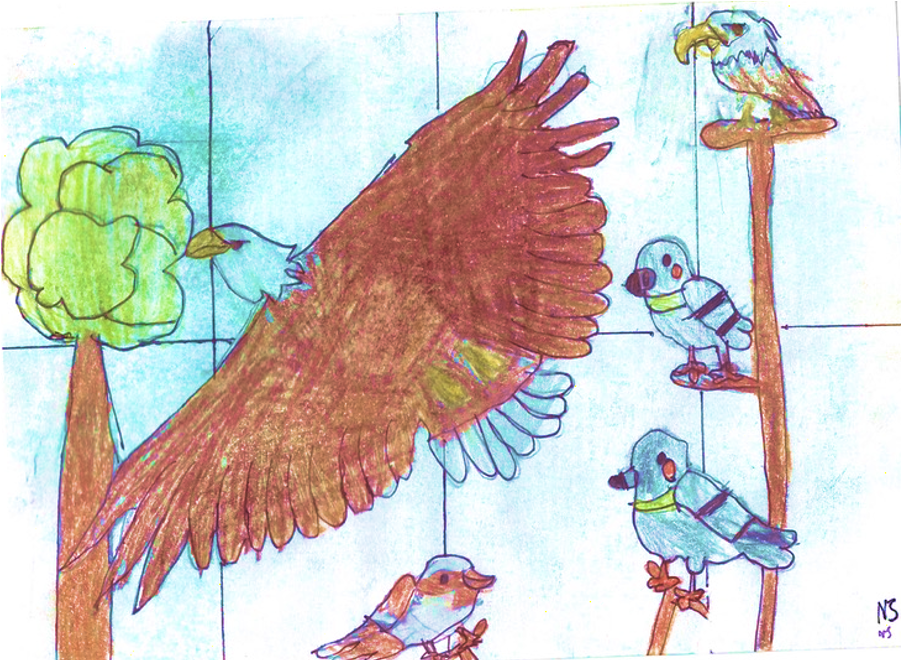
Illustrated by Nila Sathish